



Apprenticeships we offer

Construction

Apprenticeships we offer

Construction

Prepare for an exciting career in the construction and building industry and gain practical skills and experience alongside industry experts in our high-quality facilities.

The industry employs around 2.4 million people, which is nearly 7% of the UK workforce, and career options are diverse*. Construction and plumbing apprenticeships help solve skills shortages by training future staff in a variety of roles. From bricklayers and electricians to plumbers and carpenters the construction industry offers a wealth of career opportunities which requires a variety of different skills and abilities.

If you are looking for a more hands-on or labour-intensive role, construction management or building trades may be your career of choice.

*House of Commons Library, 2019

Programmes and qualifications available

The construction sector is the driving force behind the UK economy. The government has a target to build significantly more new homes over the coming years and therefore the demand for bricklayers has never been higher. Bricklayers lay bricks, blocks and other types of building components in mortar to construct and repair walls, foundations, partitions, arches and other structures e.g. chimney stacks. They might also refurbish brickwork and masonry on restoration projects.

The range of sites and projects that bricklayers will work on include large commercial developments, new builds in housing, alterations, extensions and restorations. A bricklayer may work one-on-one or on larger jobs where their bricklaying group (gang) may work on a particular section of a building alongside other bricklaying gangs and other trades.

View the guide

Download the guide

The occupation involves carrying out skilled work, primarily using timber products, either on a construction site, or in a workshop, creating and installing building components.

A Site Carpenter will normally work on a building site, or in domestic and commercial premises, preparing and fixing building components, from the initial erection of a new building, through to the installation of all necessary fixtures and fittings, as well as a range of repair and maintenance activities.

Download the guide

The Coronation emblem signals a gold-standard apprenticeship that will help you to develop green skills.

Six green apprenticeships have been hand-picked by industry experts and marked with the Coronation emblem to celebrate the Coronation of His Majesty King Charles III.

These apprenticeships have been selected because they contribute to a low carbon economy and help to build a workforce that is equipped with the skills needed for a green future. They also reflect the King’s commitment to sustainability and environmental causes.

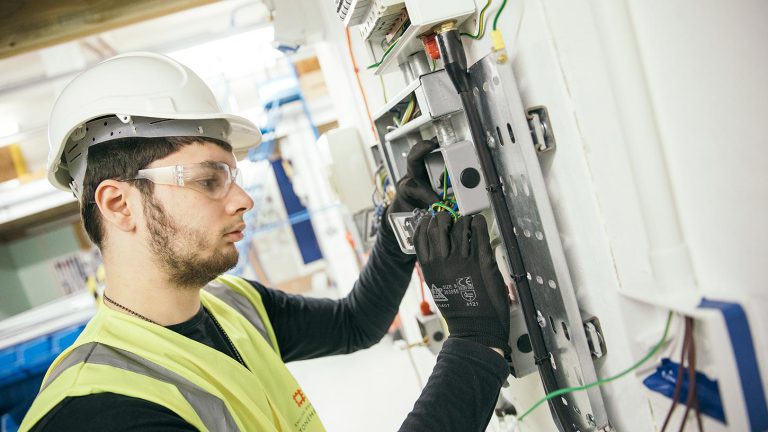
This apprenticeship will give you the opportunity to develop and demonstrate your knowledge and competence in all aspects of Electrical Installation. Structured delivery that individual learners need to maintain to succeed in this demanding Apprenticeship.

Download the guide

The Plumbing and Domestic Heating Technician Apprenticeship standard reflects the needs of employers in a diverse industry and apprentices employed in a wide variety of organisations working in domestic properties, commercial and retail buildings, public buildings, heath care and leisure. This apprenticeship is designed to provide the apprentice with the opportunity to develop both the knowledge and skills and core behaviours expected of a competent Plumbing and Domestic Heating Technician operating in a number of regulated areas.

The assessment process should add value to both the apprentice and the employer by setting and demonstrating the high skills, performance and knowledge standards required by employers in the plumbing and heating industry.

Download the guide

Facilities and support

As a construction apprentice with Activate Apprenticeships, you will have access to the following facilities at Activate Learning colleges:

  • Libraries and learning environments
  • Ability to borrow books and laptops
  • Digital resources and programmes
  • A student card – allowing you to take advantage of student discounts
  • Can apply for an Apprentice extra Totum Card

Advice and support services for apprentices includes:

  • Advice and Admissions
  • Learning Support
  • Student Support
  • Impartial careers advisors
  • 1:1 support
  • A college nurse
  • Free counselling service

Career pathways

A construction apprenticeship can lead to a rewarding career in a variety of roles in the construction industry. You may choose to progress with your employer, change jobs or study a higher-level apprenticeship.

How to become an apprentice

If you have an employer and a determination to excel, enquire now using our form and we’ll be in touch soon.

Construction

Search our apprenticeship job vacancies

Earn while you learn. Search our full range of apprenticeship job vacancies now

Scroll to Top
Progression routes

What happens next? Most people stay on with the employer they train with, but there are plenty of options! You may decide to study a higher-level apprenticeship, return to academic studies, or work full time. We will support you whatever you decide!

The apprenticeship programme

You will have access to a range of support and advice we have on offer. This includes support from Advice and Admissions, Learning Support and Student Support.

You can access all facilities at Activate Learning Colleges and reap benefits, such as student discount. However, you may not be entitled to certain funding and travel bursaries as apprenticeships are paid positions.

How much will I earn?

The amount you’ll earn will vary depending on the nature of your role, sector and business you are working with.

The minimum hourly rate for an apprentice is £8.00, however most apprentices are paid more than this. If you are over 19 and have completed one year, you will be paid national minimum wage

You will also be entitled to the same conditions as all other employees in a business, including paid holiday, sick pay and pensions (where requirements are met).

What can I expect from my apprenticeship?

You must be at least 16 years old when you start an apprenticeship.

There are 3 types of apprenticeships depending on your requirements and previous qualifications: day release, work-based and block-release.

Your apprenticeship programme may be assessed with:

  • Practical assessments/exams
  • A portfolio of evidence
  • Interviews and presentations
  • Final assessments
  • On and off the job training

You will have a performance coach visit your workplace every eight weeks as well as an inhouse mentor throughout your apprenticeship.

An apprenticeship typically lasts 24 months, but can vary between 12 months to 5 years.