


If you like finding solutions to the technical challenges engineering could be your future. Skilled engineers are in demand, there is a major drive to encourage young people into the profession.
The engineering sector in the UK is vast, and essential to the economic health of the nation. Engineers work in every major industry and are responsible for everything from streamlining manufacturing processes and pioneering efficient new technologies.
In recent years, the engineering has been growing at a rate of about 2% annually and in the next decade it has been projected that this continued growth will create about 2.6 million jobs.
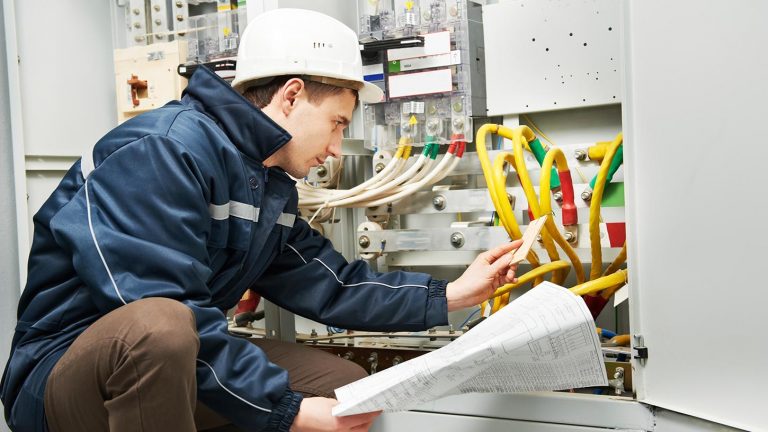
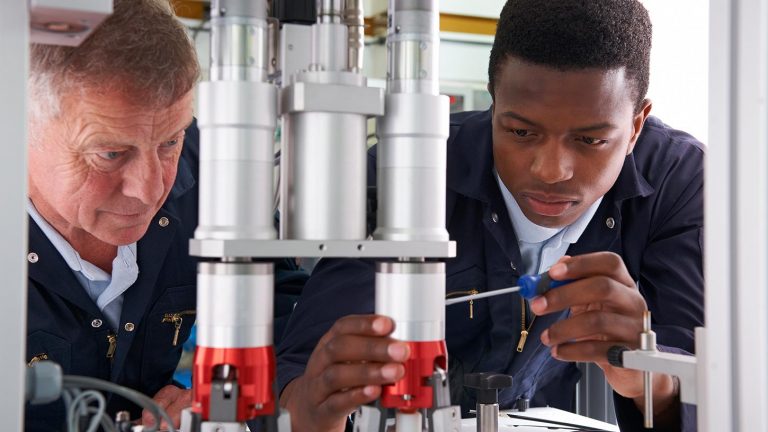



Picture yourself working in a lab, designing and producing composites (strong lightweight material) for the aerospace and wind energy sectors. Or you could work in the motorsports industry, in the pit lane, or get into design, testing and race safety. The possibilities are endless.
Get your career in engineering started with our apprenticeships and make the most of our excellent facilities and industry-experienced team.
Programmes and qualifications available
The broad purpose of the occupation is to produce complex high value, low volume components or assemblies in full or part, using machines, equipment or systems, to the required specification. For example, turbines, cranes, gearboxes, production lines, rigs and platforms. Fitters may typically have a mechanical, electrical, electronic, control systems, pipe fitting or instrumentation bias or operate across multiple disciplines depending on the type of assembly. To produce or re-furbish the components fitters will interpret drawings/specifications and plan their work, for example ensuring they have the right tools, equipment and resources to complete the task to the required specification. Fitters are required to check their work against quality standards and make adjustments as required based on their knowledge. On completion of the task a fitter will hand over the product and prepare the work area for the next task by checking equipment meets the standards required to operate. They may be based in a workshop or clients premises – this may include hazardous environments.
The broad purpose of the occupation is to produce complex and precision work by machining components. Components are machined from metal or specialist materials using conventional or CNC machine tools. Machining Technicians interpret information and plan their activities. They also set up, operate, adjust or edit machine tool settings. When using CNC equipment, they can produce, prove or edit programmes. They inspect components and machinery, report issues and support continuous improvement activities.
They typically work in a manufacturing environment. Depending on the organisation, they may be required to work at height or work shifts. In their daily work, an employee in this occupation interacts with other Machining Technicians. They also interact with various stakeholders. They typically report to an engineering or manufacturing team leader. Typically, this would be as part of a defined or cross functional team. They may also interact with customers, suppliers, colleagues, quality auditors and regulators.
Maintenance and Operations Engineering Technicians cover 7 roles, including: Electrical Technicians; Mechanical Technicians; Control and Instrumentation Technicians; Wind Turbine Technicians Electrical System and Process Control Technicians; Electromechanical Technicians and Plant Operations Technicians.
They will maintain the safety, integrity and effective operation of plant and equipment in one or more of the following Industries that are part of or have activities that are part of the broader national infrastructure engineering sector:
- The electricity generating environment, which may use a range of different fuels including coal, gas, nuclear, wind and other renewable sources
- Telecommunications power plants, oil and gas refining; nuclear waste reprocessing
- Processing and production of chemicals, pharmaceuticals, human and animal food, cosmetics, petrochemicals, sewerage and the exploration and exploitation of oil and gas
Facilities and support
As an engineering apprentice with Activate Apprenticeships, you will have access to the following facilities at Activate Learning colleges:
- Libraries and learning environments
- Ability to borrow books and laptops
- Digital resources and programmes
- A student card – allowing you to take advantage of student discounts
- Can apply for an Apprentice extra Totum Card
Advice and support services for apprentices includes:
- Advice and Admissions
- Learning Support
- Student Support
- Impartial careers advisors
- 1:1 support
- A college nurse
- Free counselling service
Career pathways
An engineering apprenticeship can lead to a rewarding career in a variety of roles in the engineering industry. You may choose to progress with your employer, change jobs or study a higher-level apprenticeship.